
CPNREIT Overview
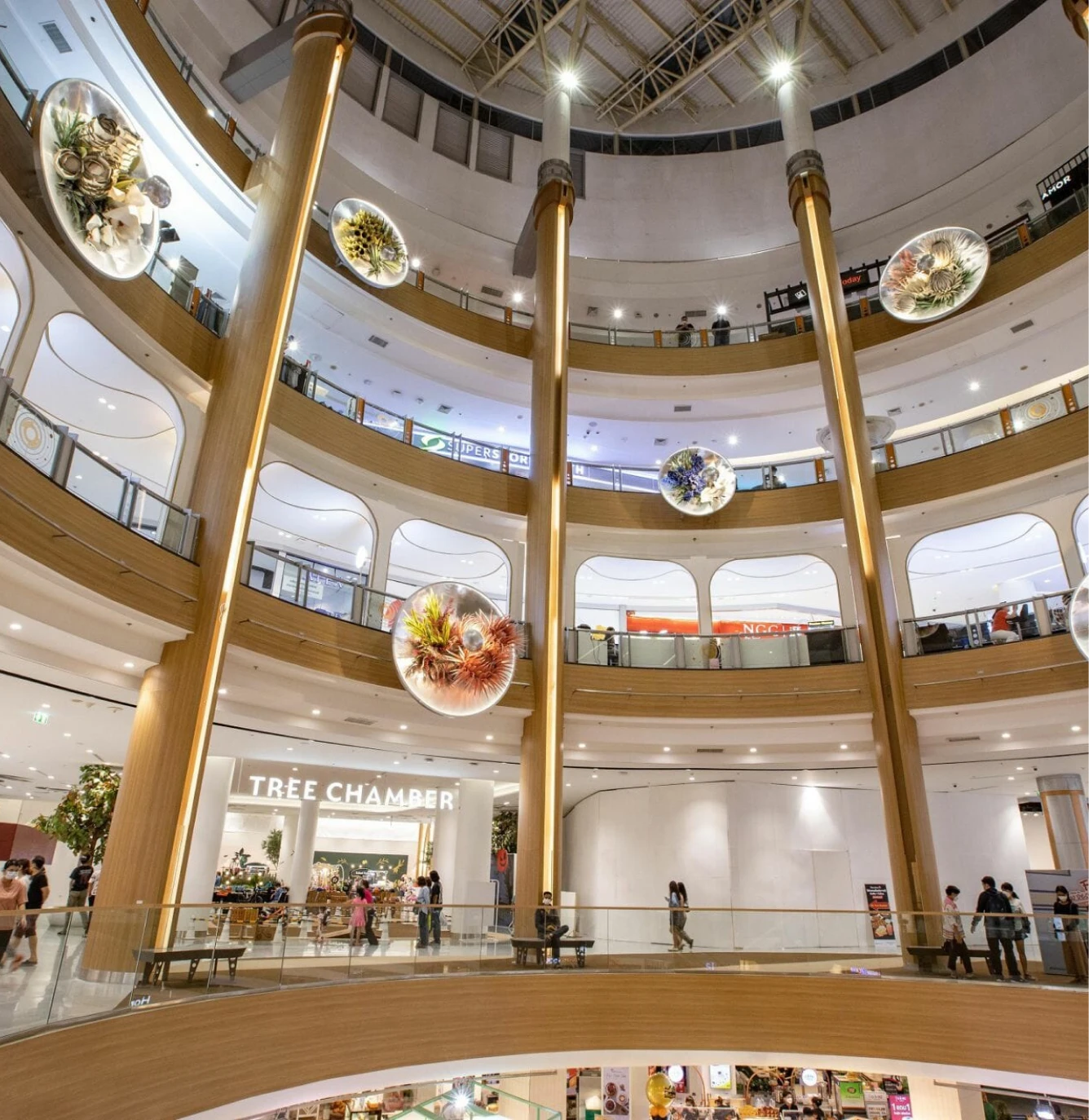
CPN Retail Growth Leasehold REIT (“CPNREIT”)
was established on 1 December 2017 from the conversion from CPN Retail Growth Leasehold Property Fund (“CPNRF”).
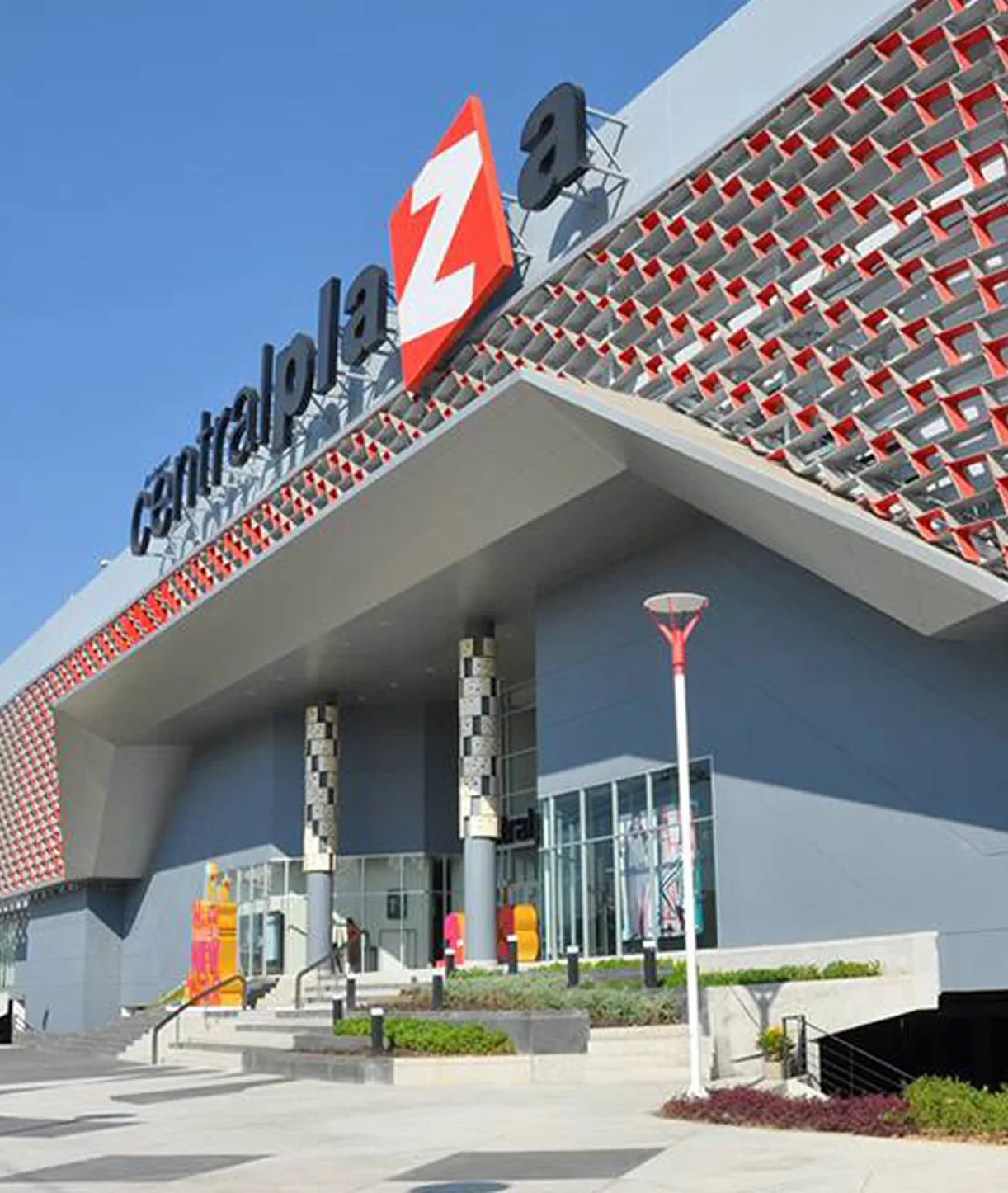
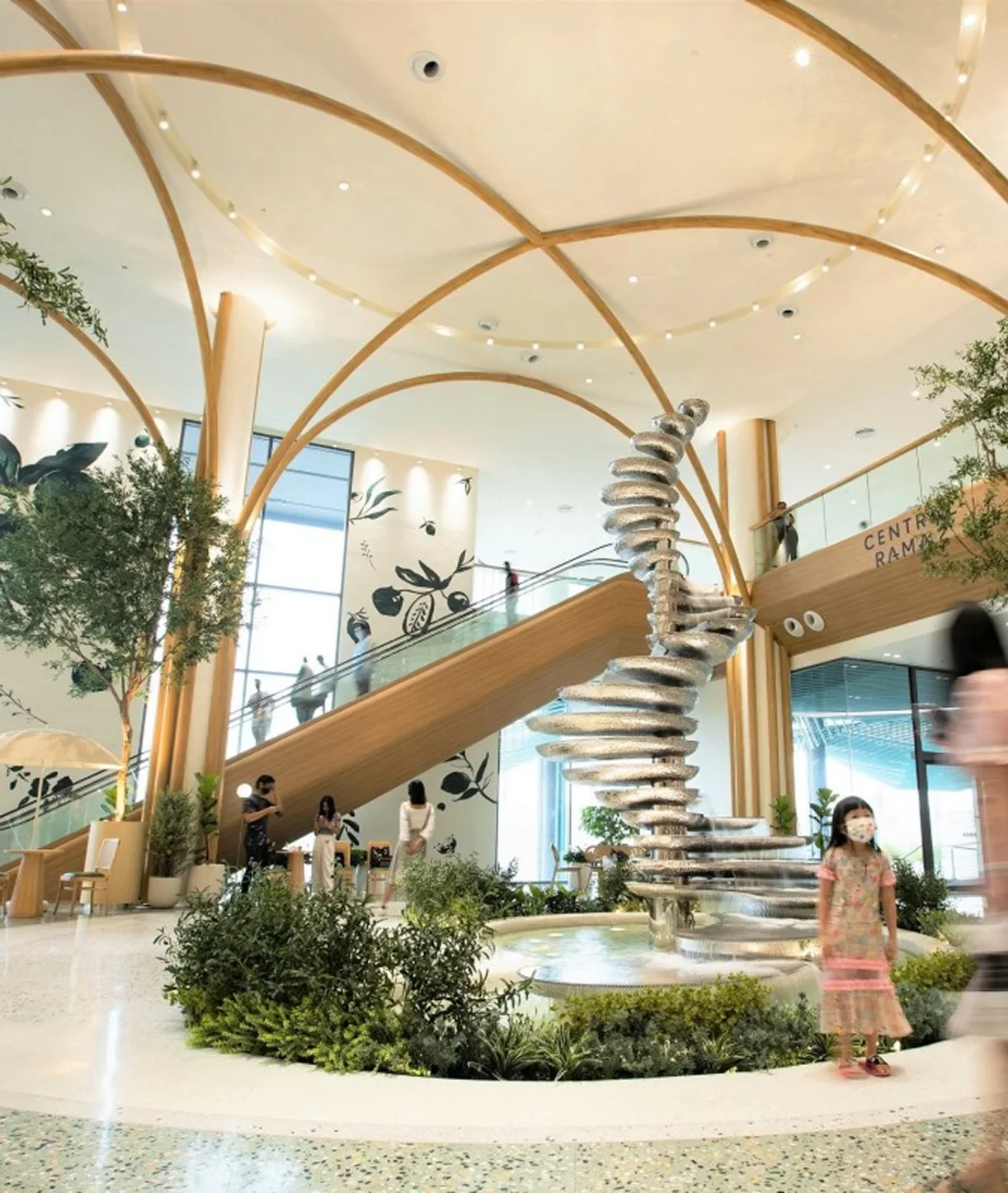
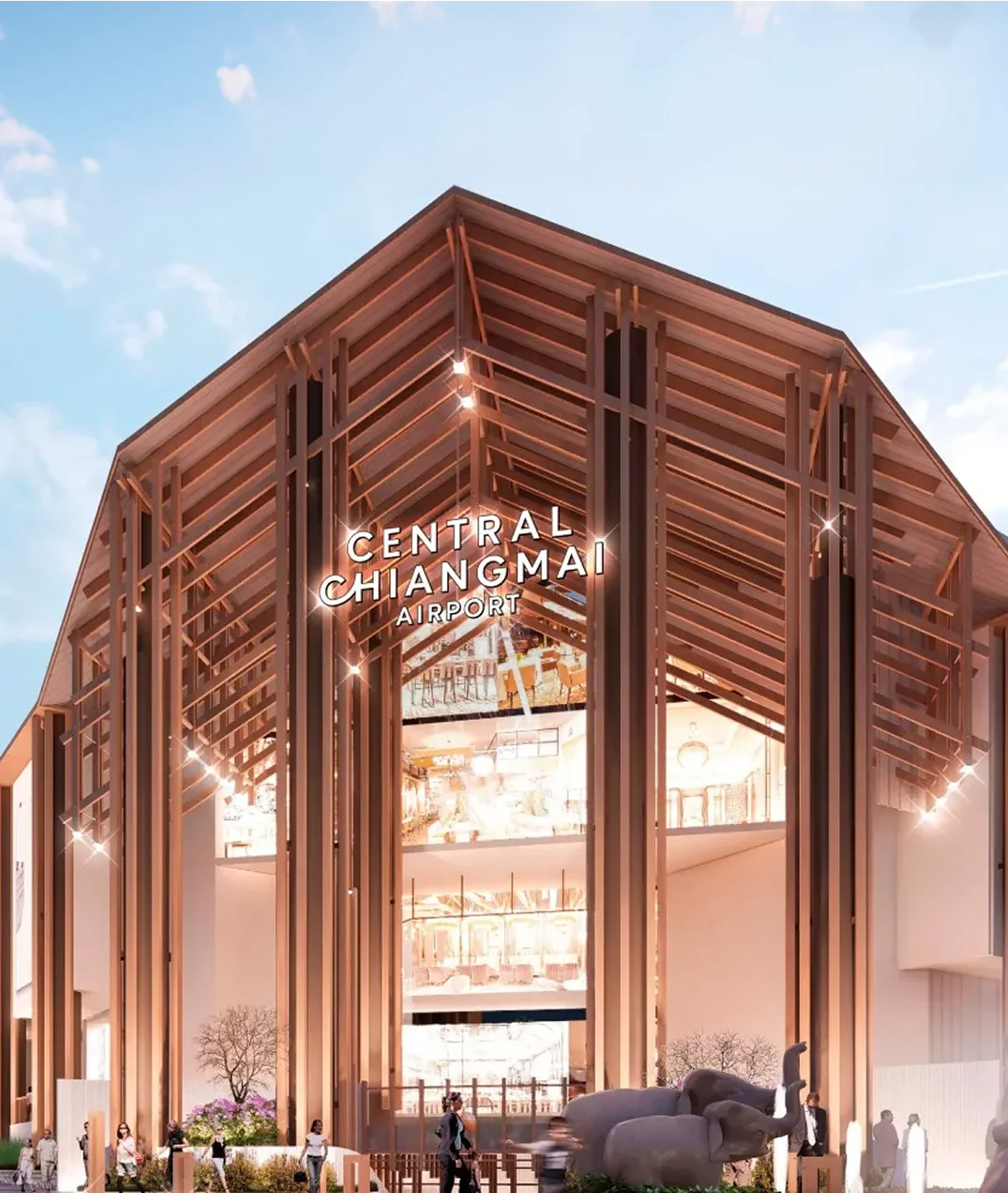
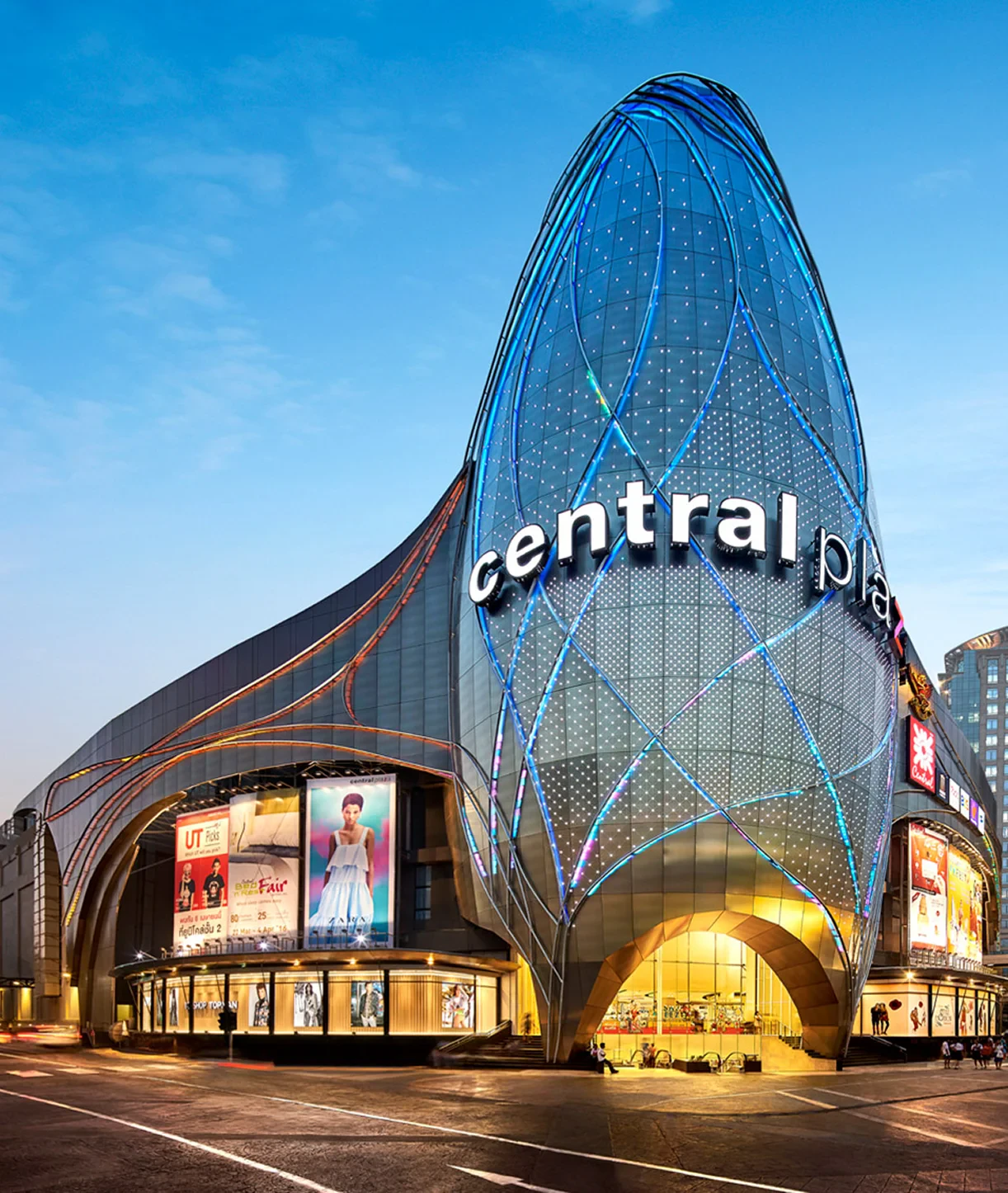
CPNREIT transferred assets from CPNRF consisting of 4 shopping projects namely Central Rama 2, Central Rama 3, Central Pinklao and Central Chiangmai Airport, and 2 office buildings, Central Pinklao Tower A and Tower B, as well as invested in additional assets, namely Central Pattaya Shopping Center and Hilton Pattaya Hotel, with a total value of Baht 11,908 million funded entirely by loans from financial institutions. The trust units of CPNREIT were first traded on the Stock Exchange of Thailand on 14 December 2017.
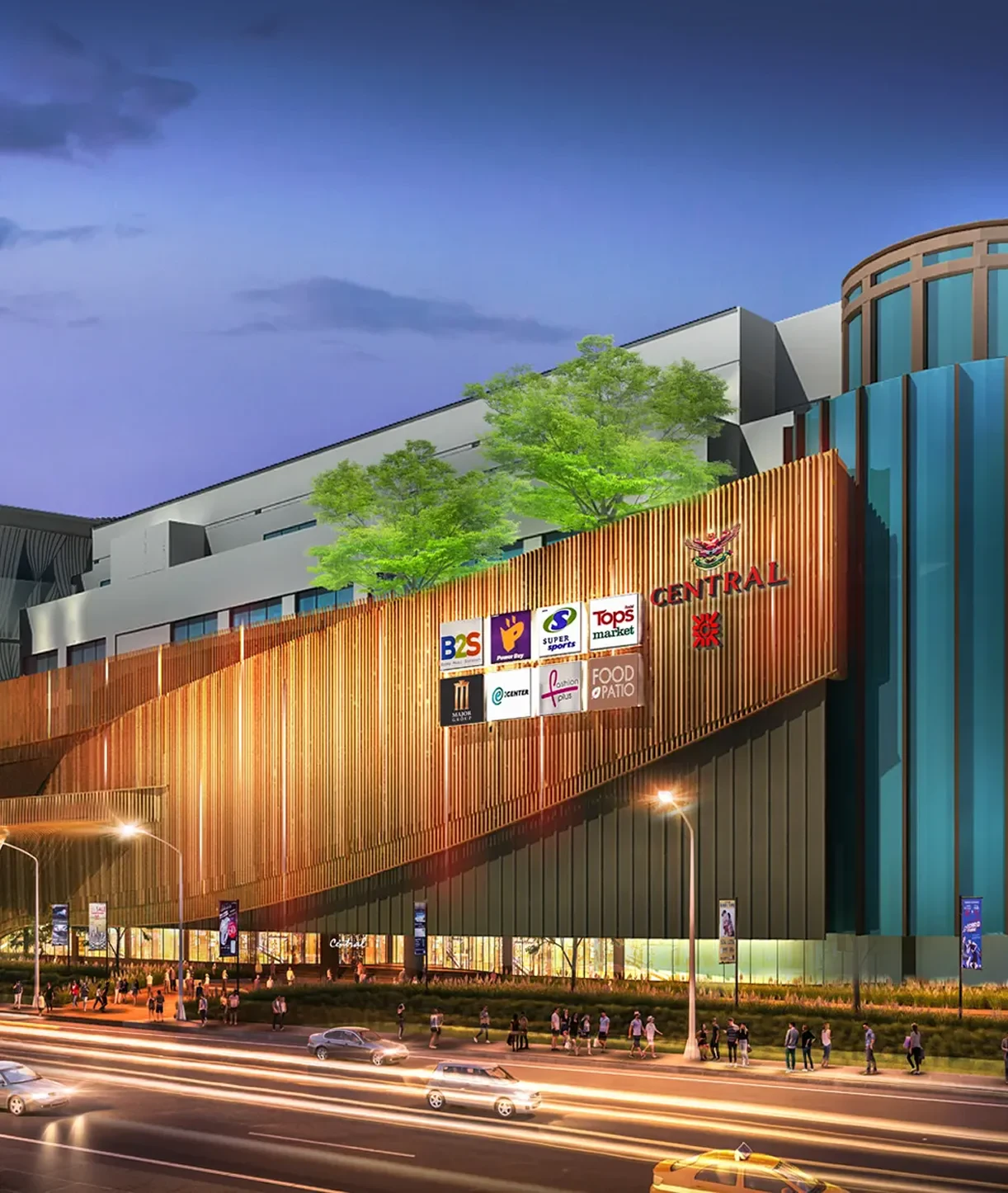
In February 2021, CPNREIT utilized the proceeds received from the capital increase in the amount of Baht 6,578 million by the issuance of the additional trust units in the number of 355,557,300 units at the offering price of Baht 18.50 per unit to invest in Central Marina Project and Central Lampang Project.
On May 8, 2024, CPNREIT successfully increased its capital and renewed the contract for the Central Pinklao Project for another 15 years from 1 January, 2025 to 31 December, 2039, CPNREIT has issued and offered for sale a total of 1,053 million new trust units at the final offering price of Baht 10.20 to existing trust unitholders and the general public.
On August 15, 2025, CPNREIT borrowed from financial institutions to pay for the lease of Central Rama 2 (Renewal Period) and the additional leasable area for the first 10-year lease period (16 August 2025-15 August 2035), so CPNREIT invested 100% in the leasable area of Central Rama 2.
CPNREIT
- Central Pattana Public Company Limited (“CENTRALPATTANA”)
- Grand Canal Land Public Company Limited (“GLAND”)
- Sterling Equity Co., Ltd. (“Sterling”)


Hotel Management & Sub-Lessee

Trustee

Term of REIT

Type of REIT

Paid-up Capital
Milestones
Significant Change and Development
CPNREIT is managed by highly experienced and committed REIT Manager and Property Managers





Investment Strategy
Objective and Investment Policy
CPNREIT will focus on its investments in immovable properties, leasehold rights in immovable properties, and sub-leasehold rights in high-end immovable properties, particularly shopping malls. CPNREIT will also invest in other types of immovable properties that are related to or complement immovable properties in the category of shopping malls, such as assets for commercial purposes, office buildings, hotels, and serviced apartments, etc., as core assets of CPNREIT.

CPNREIT will do so by means of purchasing and/or leasing and/or sub-leasing and/or accepting transfer of leasehold rights and/or sub-leasehold rights in the core assets, and place emphasis on the generation of benefits in the form of rental income and service fees, or any other income of a similar nature.
In addition, CPNREIT shall cause improvement, change, enhancement, development, and/ or disposal of assets for the purposes of generating income and returns to CPNREIT in the continuous interests of the unitholders in the long-term. Furthermore, CPNREIT also intends to make additional investments in additional assets in order to achieve the continuous growth of its income and so as to diversify risks through investment in immovable properties in different locations, as well as to invest in other assets and/or securities and/or to seek other benefits from any other methods in accordance with the Securities Laws and/or any other relevant laws.
Growth Strategies




The REIT Manager works closely with the Property Manager to deliver stable organic growth through:
- Developing strong tenant relationships to increase tenant retention rate; as a result, reduce vacancy levels and minimize interruption in rental income and costs associated to leasing space to new tenants
- Optimizing rental structure by balancing combination of fixed rent with embedded step-up growth and turnover rent with minimum guarantee to capture upside potential with sales of tenants and protect downside risk
Active asset management can increase property income and value through:
- Improving tenant mix and zoning to provide exceptional retail experience
- Diversifying tenant base to balance exposure to volatile trade sectors and to prevent excessive competition among tenants in the same trade sector
- Optimizing leasable area and maximizing the use of common area
- Improving accessibility to increase shopper traffic
- Upgrading amenities
The REIT Manager works closely with Property Manager to pursue acquisition opportunities in new properties that will increase return on investment and net asset value of CPNREIT.
The REIT Manager keeps monitoring and considering investment opportunities in new properties based on return on investment, occupancy rates, quality of tenants, locations, potential for value creation, and conditions of land, buildings, engineering, utility, and environmental protection systems.
CPNREIT generally has long term investment horizon. However, the REIT Manager may consider disposing any property with limited scope for revenue generation and growth, and using the proceeds to invest in new properties with better growth potential.
The REIT Manager will seek to optimize CPNREIT’s capital structure and cost of capital within the borrowing limits set out and intends to employ a combination of debt and equity in financing acquisitions and asset enhancement initiatives by pursuing the following strategies:
- Liquidity management strategy
- Optimal capital structure strategy
- Debt diversification strategy
- Proactive risk management strategy


